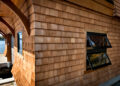
Exploring the seamless connection between indoor and outdoor spaces opens up a world of possibilities. From enhancing functionality to elevating the overall living experience, the flow between these areas plays a crucial role in space design.
As we delve into the key elements and architectural features that promote this flow, we uncover innovative ways to blur the boundaries between indoor and outdoor living.
Importance of Flow Between Indoor and Outdoor Spaces
Creating a seamless transition between indoor and outdoor spaces is crucial for enhancing the overall living experience in a space. It allows for a harmonious connection between the two areas, blurring the lines between inside and outside.
Benefits of Flow
- Expands Living Space: By seamlessly connecting indoor and outdoor areas, it creates the perception of a larger living space.
- Natural Light and Ventilation: Proper flow allows for better natural light and ventilation in both areas, improving the overall comfort and ambiance.
- Visual Continuity: A well-designed flow ensures visual continuity between indoor and outdoor spaces, creating a cohesive and inviting environment.
Enhanced Functionality
- Entertaining: Smooth flow between indoor and outdoor areas makes it easier to host gatherings or parties, as guests can move freely between spaces.
- Indoor-Outdoor Dining: Seamless transition allows for convenient indoor-outdoor dining experiences, especially when entertaining or enjoying meals with a view.
- Relaxation: Flowing seamlessly from indoor to outdoor spaces can create tranquil retreats for relaxation and unwinding, promoting well-being.
Design Elements for Creating Flow
Creating a seamless flow between indoor and outdoor spaces involves incorporating key design elements that tie both areas together harmoniously.
Use of Materials, Colors, and Textures
When designing to connect indoor and outdoor spaces, consider using materials, colors, and textures that can be carried through both areas. For example, using similar flooring materials or color schemes can help create a cohesive connection. Natural materials like wood or stone can be used both indoors and outdoors to establish a sense of continuity.
Harmonizing Furniture and Decor
To maintain consistency in design between indoor and outdoor spaces, choose furniture and decor pieces that complement each other. Opt for pieces that can work well in both environments, such as weather-resistant furniture that is stylish and comfortable. Additionally, incorporating similar design elements like patterns or motifs can help tie the spaces together seamlessly.
Architectural Features for Enhancing Flow
Architectural features play a vital role in seamlessly connecting indoor and outdoor spaces, creating a harmonious flow between the two areas.
Large Windows
Large windows are a popular architectural feature that allows natural light to flood indoor spaces, blurring the boundaries between indoors and outdoors. They provide a visual connection to the outside, making the transition between spaces feel more fluid and cohesive.
Sliding Doors
Sliding doors are another effective way to enhance flow between indoor and outdoor areas. When opened, they create a seamless transition, allowing for easy access and a sense of continuity. They also provide ample natural light and ventilation, further strengthening the connection between the spaces.
Open Floor Plans
Open floor plans are a design concept that removes barriers between rooms, creating a sense of spaciousness and flow. By incorporating open floor plans in a home, indoor and outdoor spaces can feel like one cohesive area, promoting a seamless connection and easy movement between the two.
Natural Light and Ventilation
Natural light and ventilation are essential elements in creating a sense of continuity between indoor and outdoor spaces. They not only enhance the visual connection but also contribute to the overall well-being of the occupants. Properly placed windows, skylights, and ventilation systems can improve air quality and create a comfortable environment that blurs the lines between indoors and outdoors.
Innovative Architectural Designs
There are numerous innovative architectural designs that push the boundaries between indoor and outdoor living. Features like retractable walls, rooftop gardens, and indoor-outdoor living spaces showcase creative ways to seamlessly integrate indoor and outdoor areas
Landscape Design Integration

When it comes to creating a seamless flow between indoor and outdoor spaces, landscape design plays a crucial role in enhancing the overall connection and experience. By strategically incorporating elements of landscaping, you can effectively bridge the gap between the interior and exterior areas of a property.
Role of Greenery, Hardscaping, and Outdoor Structures
- Greenery: Introducing plants, trees, and flowers can soften the transition between indoor and outdoor spaces, creating a sense of continuity and harmony. Lush greenery can also provide privacy and a natural backdrop for both areas.
- Hardscaping: Utilizing hardscape elements such as pathways, patios, and retaining walls can define different zones within the outdoor space while maintaining a cohesive design with the interior. Materials like stone, wood, or concrete can be used to complement the architecture of the property.
- Outdoor Structures: Incorporating pergolas, gazebos, or outdoor kitchens can serve as focal points that draw the eye from the inside to the outside, encouraging movement and interaction between the spaces. These structures can also provide shelter and create a sense of enclosure in the outdoor area.
Creating a Seamless Transition Through Garden Design, Pathways, and Outdoor Seating Areas
- Garden Design: Designing a well-planned garden that flows from the indoors to the outdoors can visually connect the two spaces. Using a cohesive color palette, repeating plant varieties, and maintaining a sense of scale can help create a seamless transition.
- Pathways: Thoughtfully designed pathways can guide individuals from one area to another, emphasizing the journey between indoor and outdoor spaces. Materials like gravel, stepping stones, or pavers can delineate pathways while adding texture and visual interest.
- Outdoor Seating Areas: Placing comfortable seating areas strategically throughout the outdoor space can encourage people to linger and enjoy the surroundings. By offering seating options that complement the interior decor, you can blur the boundaries between inside and outside, making the transition feel effortless.
Summary

In conclusion, mastering the art of creating flow between indoor and outdoor spaces transforms a house into a harmonious sanctuary. By integrating design elements and architectural features effectively, you can achieve a seamless transition that enhances both the aesthetic appeal and practicality of your living spaces.
FAQ Corner
How can I enhance flow between indoor and outdoor spaces?
To enhance flow, consider using design elements like materials, colors, and textures to establish a cohesive connection. Architectural features such as large windows and open floor plans also play a significant role.
What role does landscaping play in connecting indoor and outdoor spaces?
Landscaping can effectively bridge the gap between indoor and outdoor areas by incorporating greenery, hardscaping, and well-placed outdoor structures to create a seamless transition.